

Abstract
Background: Propafenone overdose is a rare but potentially fatal condition due to its potent sodium channel-blocking and cardiodepressant effects. Conventional extracorporeal elimination methods are typically ineffective owing to the drug’s high protein-binding affinity and large volume of distribution. Hemoadsorption using the CytoSorb® device, although primarily developed for sepsis, may offer a novel therapeutic option in such intoxications.
Case Presentation: We describe a 38-year-old turkish female with a history of panic disorder and paroxysmal atrial fibrillation who presented to the emergency department after a suicide attempt involving the ingestion of an estimated 40 tablets of 150 mg propafenone. She exhibited generalized tonic-clonic seizures, severe metabolic acidosis, hypotension (BP 70/50 mmHg), bradycardia (HR 55 bpm), and QRS prolongation (>150 ms). Despite high-dose intravenous sodium bicarbonate, benzodiazepines, and vasopressor support, the patient’s hemodynamic instability persisted. After ICU admission and further deterioration, the patient was intubated, and PiCCO monitoring was initiated. As a last resort prior to ECMO initiation, CytoSorb® hemoadsorption therapy was commenced. Within one hour, her ECG normalized, vasopressors were rapidly weaned, and cardiac index improved significantly. She was extubated 21 hours later and discharged without sequelae.
Conclusions: This case highlights the potential use of CytoSorb® hemoadsorption as an adjunctive therapy in severe propafenone poisoning, particularly in patients exhibiting refractory cardiotoxicity. Hemoadsorption may contribute to rapid clinical recovery and could potentially avert the need for more invasive interventions such as ECMO. Further clinical data are needed to validate its efficacy in this context.
Keywords: cardiotoxicity, CytoSorb, drug overdose, hemoadsorption, propafenone
Introduction
Hemoadsorption therapies have emerged as novel extracorporeal strategies for the removal of inflammatory mediators, endogenous toxins, and certain drugs from the circulation. Initially developed for sepsis and systemic hyperinflammatory states, devices such as CytoSorb have demonstrated potential in an expanding range of clinical indications, including liver failure, rhabdomyolysis, cytokine release syndrome, and drug intoxications. Their mechanism of action relies on the non-selective adsorption of hydrophobic and medium-sized molecules, particularly those with high protein-binding affinity. Despite the growing use of hemoadsorption in critically ill patients, its application in cases of lipophilic antiarrhythmic drug overdose remains largely unexplored (1,2). Propafenone, a class 1C antiarrhythmic agent with potent sodium channel-blocking properties, is widely used in the treatment of supraventricular and ventricular arrhythmias. In overdose situations, it can cause life-threatening cardiotoxic effects, including conduction delays, ventricular arrhythmias, profound hypotension, seizures, and cardiac arrest. Due to its high protein-binding rate (>90%) and large volume of distribution, conventional extracorporeal elimination techniques such as hemodialysis or hemofiltration are typically ineffective. Although CytoSorb hemoadsorption has shown promise in the removal of certain lipophilic and protein-bound drugs, there are currently no published reports describing its use in propafenone intoxication (3-6). To our knowledge, this case represents the first documented clinical application of CytoSorb in the management of severe propafenone poisoning.
Case Presentation
A 38-year-old female with a known history of panic disorder and paroxysmal atrial fibrillation attempted suicide by ingesting approximately 40 tablets of her prescribed medication, propafenone 150 mg. She was brought to the emergency department after a generalized tonic-clonic seizure. Her initial vital signs were: blood pressure 70/50 mmHg, heart rate 55 bpm, oxygen saturation 98%, and Glasgow Coma Scale score of 11. Electrocardiography (ECG) revealed atrial fibrillation, a widened QRS complex (>150 ms), and signs of sodium channel blockade. Arterial blood gas analysis indicated severe metabolic acidosis (pH 7.09, pCO2 28 mmHg, HCO3- 9.9 mmol/L, base excess −21, lactate 8.5 mmol/L). Due to the absence of a drug assay at the facility, serum propafenone levels could not be measured. The estimated time of ingestion was unknown.
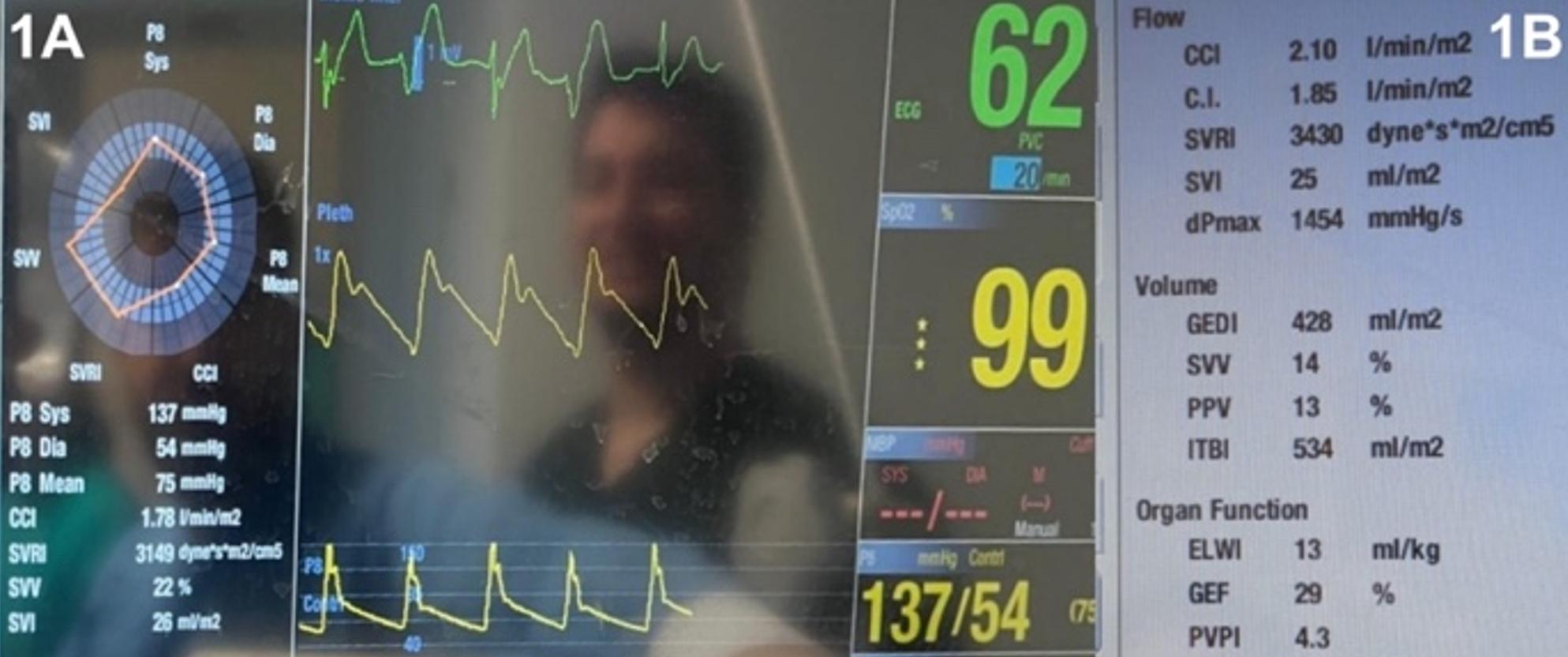
Due to electrocardiographic evidence of sodium-channel blockade and two generalized tonic–clonic seizures in the emergency department, the patient—whose QRS duration initially exceeded 150 ms—received five intravenous boluses of sodium bicarbonate (6 ampoules each) until QRS narrowing was achieved. When the QRS remained above 120 ms, a continuous infusion of sodium bicarbonate at 6 ampoules per hour was commenced. As seizures persisted, two intravenous doses of diazepam were administered. Despite ongoing bicarbonate therapy, seizure activity remained refractory and hemodynamic instability continued. Continuous infusions of sodium bicarbonate (6 ampoules/h), midazolam (1 mg/h), and norepinephrine (0.15 mcg/kg/min) were initiated. Upon ICU admission, the patient developed frequent tonic-clonic seizures, bradycardia, and worsening hypotension. She was intubated, and levetiracetam (1000 mg loading dose) was administered. Vasopressor support was escalated to norepinephrine (0.6 µg/kg/min) and adrenaline (0.5 µg/kg/min). Hemodynamic monitoring via PiCCO was initiated through a thermistor-tipped femoral arterial catheter and a jugular central line. Baseline PiCCO values were: cardiac index 1.85 L/min/m2, systemic vascular resistance index 3205 dyn·s·m2/cm5, global end-diastolic volume index 428 mL/m2, and extravascular lung water index 13 mL/kg (Figure 1A and Figure 1B).
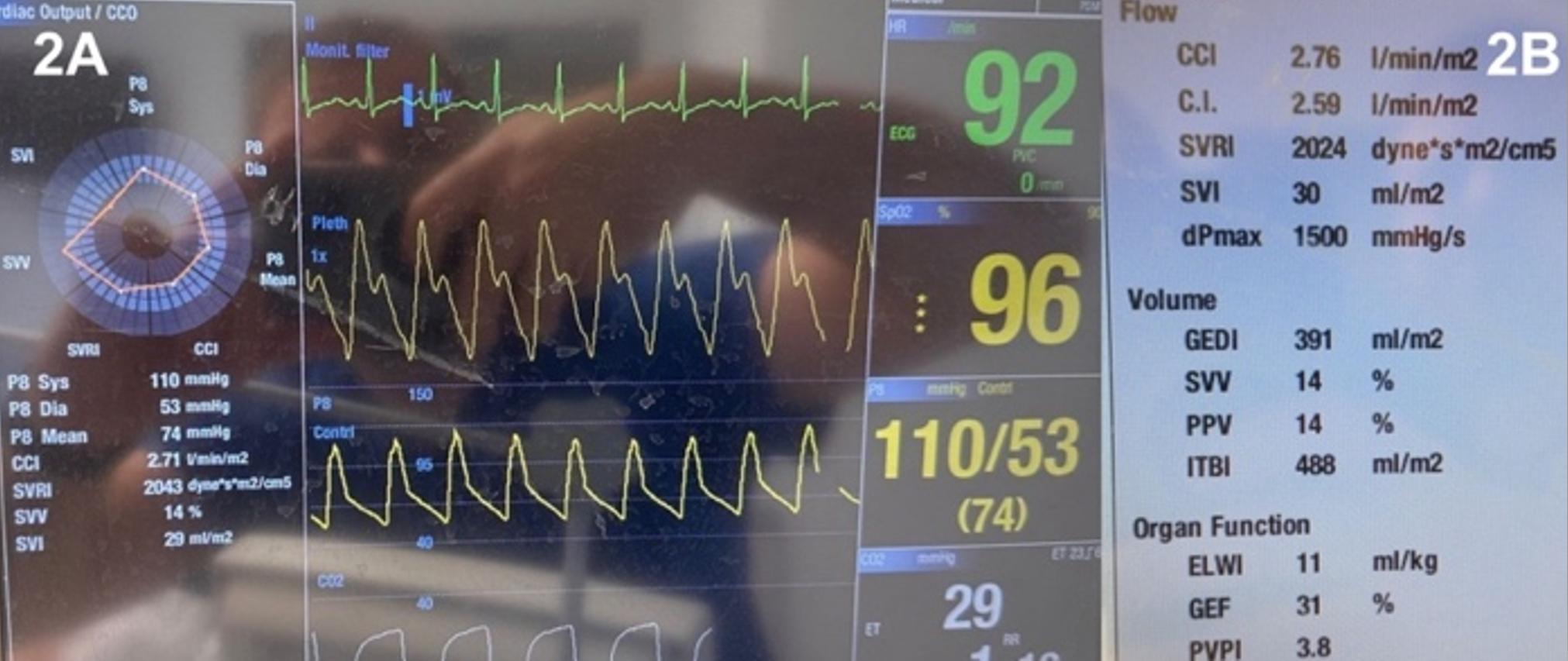
As the patient remained hypotensive and bradycardic despite maximal supportive care, venoarterial ECMO was considered. Before ECMO initiation, CytoSorb hemoadsorption therapy was started at a blood flow rate of 140 ml/min. No additional therapeutic interventions were made during this period. Within one hour, ECG normalized with resolution of QRS widening, and vasopressors were weaned. After four hours of hemoadsorption, repeat PiCCO values showed hemodynamic improvement: CI 2.59 L/min/m2, SVRI 2024 dyn·s·m2/cm5, GEDI 391 mL/m2, and ELWI 11 mL/kg (Figure 2A and Figure 2B).
The patient was extubated at the 21st hour following intubation. On follow-up echocardiography, the ejection fraction was 65%, with trace mitral regurgitation. Right ventricular function was preserved, and cardiac output was measured at 4.4 L/min. She was discharged without neurological or cardiovascular sequelae.
Discussion
The use of high-efficiency hemoadsorption filters such as CytoSorb may represent a reasonable approach for removing excess drugs from the circulation in cases of intoxication. However, the current literature on this topic remains limited, and it is still unclear which drugs can be effectively eliminated in overdose settings (1-5). This case was documented specifically to provide clinical insight and guidance for physicians facing similar challenges. In the emergency setting, where rapid stabilization is crucial and conventional detoxification methods offer limited benefit, hemoadsorption may provide an additional therapeutic option for selected patients.
CytoSorb can adsorb molecules ranging from 5 to 60 kDa, encompassing various substances including cytokines associated with sepsis (e.g., IL-6, IL-1β, TNF-α), certain medications (e.g., ticagrelor, rivaroxaban), bilirubin, myoglobin, and other medium-sized molecular toxins (6-8). In albumin-bound compounds, only the unbound fraction is available for adsorption. Large proteins (>60–70 kDa), such as albumin and immunoglobulin G (IgG), are not removed by the CytoSorb filter. Nonetheless, CytoSorb has demonstrated the ability to adsorb certain small, lipophilic molecules — such as ticagrelor and amlodipine — even when they are highly protein-bound.
For effective adsorption, substances must be small enough to enter the polymer beads and sufficiently hydrophobic to facilitate physicochemical interactions with the polymer matrix. The removal process is concentration-dependent, with greater efficiency at elevated plasma concentrations. Importantly, CytoSorb use does not result in substantial depletion of albumin, coagulation factors, or immunoglobulins (9). It does not activate the coagulation or complement systems and is typically associated with only a minimal and transient reduction in platelet count.
One of the most consistent effects of CytoSorb therapy in patients with septic or vasoplegic shock is improved hemodynamic stability, usually accompanied by reduced vasopressor requirements, as highlighted in a recent review (10). Although the optimal timing for initiating therapy remains debated, early initiation—ideally within the first 12 hours following diagnosis—is generally recommended.
The volume of distribution (VD) is a critical pharmacokinetic parameter influencing the effectiveness of extracorporeal drug removal. Agents with a low VD (<1 L/kg) are confined to the intravascular compartment and are more amenable to extracorporeal clearance. In contrast, drugs with a high VD (≥1 L/kg) distribute extensively into extravascular tissues and are less accessible for such techniques (10). While high protein binding (≥80%) can restrict tissue distribution and reduce VD, thereby potentially enhancing clearance through adsorption, it may simultaneously limit the availability of unbound drug required for effective removal.
In the absence of pharmacokinetic data obtained during CytoSorb treatment, precise dosing recommendations cannot be reliably established. Nonetheless, fundamental pharmacokinetic parameters such as molecular weight, hydrophobicity, volume of distribution, half-life, and protein binding provide useful insights into the likelihood of meaningful drug removal. Drugs prone to CytoSorb elimination typically show rapid clearance within the first 1–2 hours of therapy. This timeframe closely parallels the dramatic clinical response observed in our patient: electrocardiographic abnormalities improved within the first hour, and vasopressor demand decreased significantly. Although CytoSorb has been shown to remove various anti-infective agents from the bloodstream, its overall impact on most systemic pharmacokinetics appears minimal. Enhanced clearance has, however, been described for fluconazole, linezolid, and liposomal amphotericin B (11). In our case, the overdosed agent was propafenone—a small, lipophilic molecule (molecular weight 341.45 Da) characterized by high protein binding (>90–95%) and a large volume of distribution (1.9–3 L/kg). These properties theoretically limit the effectiveness of extracorporeal elimination via hemoadsorption. Nonetheless, CytoSorb has demonstrated partial efficacy in the removal of other highly protein-bound and lipophilic compounds, suggesting a potential role in the management of propafenone intoxication (12-14).
Based on our clinical observations, CytoSorb may have contributed to drug removal and to the rapid reversal of cardiotoxicity under specific conditions. As evidence remains limited and no pharmacokinetic confirmation is available, the use of CytoSorb in propafenone poisoning should be considered on a case-by-case basis and reserved as a last-resort option in rapidly deteriorating patients when conventional supportive strategies fail.
Conclusion
With ongoing technological advancements, hemoadsorption therapies are increasingly supported by clinical evidence and are transitioning from being considered solely as rescue interventions to becoming adjunctive components of critical care, particularly in high-mortality conditions such as septic shock. As demonstrated in our patient, hemoadsorption with CytoSorb may be considered a last-resort option in severe propafenone intoxication, especially in cases of refractory cardiotoxicity where conventional measures fail and escalation to invasive treatments such as cardiac pacing or VA-ECMO is being contemplated. However, the effectiveness of drug removal depends on the pharmacokinetic characteristics of the agent and the clinical context. Therefore, decisions regarding the initiation of hemoadsorption should be individualized and, whenever possible, supported by therapeutic drug monitoring.
Ethical approval
Written informed consent was obtained from the patient’s legal guardian for publication of this case report and any accompanying images.
Source of funding
The authors declare the study received no funding.
Conflict of interest
The authors declare that there is no conflict of interest.
References
- Reiter K, Bordoni V, Dall’Olio G, et al. In vitro removal of therapeutic drugs with a novel adsorbent system. Blood Purif. 2002;20:380-8. https://doi.org/10.1159/000063108
- Mitrovic D, Huntjens DW, de Vos EAJ, van Tellingen M, Franssen EJF. Extracorporeal hemoadsorption with the CytoSorb device as a potential therapeutic option in severe intoxications: Review of the rationale and current clinical experiences. J Clin Pharm Ther. 2022;47:1444-51. https://doi.org/10.1111/jcpt.13724
- Lang CN, Sommer MJ, Neukamm MA, et al. Use of the CytoSorb adsorption device in MDMA intoxication: a first-in-man application and in vitro study. Intensive Care Med Exp. 2020;8:21. https://doi.org/10.1186/s40635-020-00313-3
- Taccone FS, Gardette M, Creteur J, Brasseur A, Lorent S, Grimaldi D. Hemoadsorption to treat severe iatrogenic intoxication with Patent Blue: a case report. J Med Case Rep. 2021;15:63. https://doi.org/10.1186/s13256-020-02657-6
- Bateriwala RS, Mehta A, Khandelwal V. Severe calcium channel blocker toxicity treated with CytoSorb hemoadsorption and supportive therapies: a case study. Indian J Crit Care Case Rep. 2025;4(4):107-9. https://doi.org/10.5005/jp-journals-11006-0177
- Ruiz-Rodríguez JC, Molnar Z, Deliargyris EN, Ferrer R. The use of CytoSorb therapy in critically ill COVID-19 patients: review of the rationale and current clinical experiences. Crit Care Res Pract. 2021;2021:7769516. https://doi.org/10.1155/2021/7769516
- Heymann M, Schorer R, Putzu A. Mortality and adverse events of hemoadsorption with CytoSorb® in critically ill patients: a systematic review and meta-analysis of randomized controlled trials. Acta Anaesthesiol Scand. 2022;66:1037-50. https://doi.org/10.1111/aas.14115
- Lavergne V, Nolin TD, Hoffman RS, et al. The EXTRIP (EXtracorporeal TReatments In Poisoning) workgroup: guideline methodology. Clin Toxicol (Phila). 2012;50:403-13. https://doi.org/10.3109/15563650.2012.683436
- Poli EC, Alberio L, Bauer-Doerries A, et al. Cytokine clearance with CytoSorb® during cardiac surgery: a pilot randomized controlled trial. Crit Care. 2019;23:108. https://doi.org/10.1186/s13054-019-2399-4
- Mitzner S, Kogelmann K, Ince C, Molnár Z, Ferrer R, Nierhaus A. Adjunctive hemoadsorption therapy with CytoSorb in patients with septic/vasoplegic shock: a best practice consensus statement. J Clin Med. 2023;12:7199. https://doi.org/10.3390/jcm12237199
- Schneider AG, André P, Scheier J, et al. Pharmacokinetics of anti-infective agents during CytoSorb hemoadsorption. Sci Rep. 2021;11:10493. https://doi.org/10.1038/s41598-021-89965-z
- Kim HK, Kim SS, Ki YJ, Park KH, Choi DH. Ventricular tachycardia in association with propafenone overdose. Acta Cardiol Sin. 2021;37:100-3. https://doi.org/10.6515/ACS.202101_37(1).20200914A
- Shereef H, Ghandour M, Abdelsamad S, Subahi A, Yassin AS, Afonso L. A classical wide complex tachycardia due to propafenone toxicity: uncommon side effect of a commonly used medication. Am J Med Case Rep. 2021;9(4):229-31. https://doi.org/10.12691/ajmcr-9-4-6
- Haddad E, Collins M. A case of propafenone toxicity in the setting of dehydration and acute kidney injury. Glob Cardiol Sci Pract. 2024;2024(4):e202438. https://doi.org/10.21542/gcsp.2024.38
Copyright and license
Copyright © 2026 The Author(s). This is an open access article distributed under the Creative Commons Attribution License (CC BY), which permits unrestricted use, distribution, and reproduction in any medium or format, provided the original work is properly cited.